Fraction Symbols
Copy and paste Unicode fraction characters for clear numeric text in messages, documents, and design
Fraction symbols are Unicode text characters commonly used to show fractional values in a compact format, especially when you want numbers to read naturally within a sentence. This page includes copy-and-paste fraction symbols (Unicode vulgar fractions and the fraction slash ⁄) and excludes emojis, with examples such as ½, ⅓, ¼, and ¾ used in everyday text.
How to Copy and Paste Fraction Symbols
Browse the fraction symbol grid to find the character you need. Select a fraction symbol to place it into the editor area, then copy it and paste it into your message, document, form field, or any app that accepts text.
What Are Fraction Symbols?
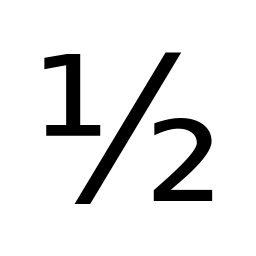
A fraction symbol is a Unicode character that typically displays a numerator and denominator as a single compact glyph (often called a vulgar fraction), or uses the fraction slash to write fractions in running text. These characters are commonly used to express quantities like halves, thirds, and quarters in a readable form in messages, recipes, measurements, and product descriptions. Examples you may see frequently include ½, ⅓, ¼, and ¾.
Popular Fraction Symbols
These fraction symbols are commonly used when writing measurements and quantities in plain text. They are widely supported across many fonts and platforms, though appearance can vary slightly by device.
| Symbol | Name |
|---|---|
| ½ | One Half |
| ⅓ | One Third |
| ¼ | One Quarter |
| ¾ | Three Quarters |
| ⅔ | Two Thirds |
| ⅛ | One Eighth |
Fraction Symbol Categories
Fraction-related characters appear in a few practical groups. Grouping them can help you choose between a single-character vulgar fraction and a typed fraction using the fraction slash when the exact value is not available as a dedicated symbol.
Common Vulgar Fractions
Single Unicode characters that commonly represent frequently used everyday fractions in a compact form.
½ ⅓ ¼ ¾ ⅔ ⅛
Sixths and Eighths
Fractions often used in measurements and portion sizes, especially when writing precise quantities in limited space.
⅙ ⅚ ⅛ ⅜ ⅝ ⅞
Fifths and Tenths
Fractions that can be helpful for proportional quantities and simplified numeric text in notes or labels.
⅕ ⅖ ⅗ ⅘ ⅒
Fraction Slash (Fraction Bar)
The dedicated fraction slash character is typically used to build fractions that do not have a single precomposed Unicode fraction symbol.
⁄
Typed Fractions Using the Fraction Slash
Combinations that use digits plus the fraction slash to represent custom fractions when no single glyph exists. Display depends on the font and rendering system.
1⁄7 2⁄9 5⁄12 11⁄16
Less Common Vulgar Fractions
Additional single-character fractions that may appear in reference text, technical writing, or specific measurement contexts.
⅑ ⅐ ⅟
Mixed-Number Patterns (Text Style)
A common writing pattern that combines whole numbers with a fraction symbol for readability in plain text.
1 ½ 2 ¼ 3 ¾
Fraction Symbol Usage Examples
Fraction symbols are often used to keep numeric text short and easy to scan. These examples show how fraction characters may appear in typical writing without changing the underlying meaning of the number.
Message or Note
I will arrive in ½ hour.
Recipe Quantity
Add ¾ cup of water and ¼ teaspoon of salt.
Product Details
Size: 2 ½ inches (approx.).
Measurement in Text
Cut the piece to ⅜ in thickness.
Custom Fraction With Fraction Slash
Use 5⁄12 of the total length for the first section.
Using Fraction Symbols on Social Media and Online Platforms
Fraction symbols can be used in online posts and profiles when you want a compact way to show quantities, portions, or time estimates. Because these are Unicode characters, they can usually be copied and pasted into many text fields, though exact rendering may vary depending on the platform and font support. Common places where users include fraction symbols are:
- Instagram captions for recipe or portion notes
- TikTok descriptions for quick measurements or ratios
- X (Twitter) posts where short numeric text helps save space
- WhatsApp and Telegram messages for time or quantity shorthand
- Discord channel notes for rules, ratios, or resource amounts
- YouTube descriptions for ingredient lists and measurements
- Facebook Marketplace listings for sizes and dimensions
Professional and Practical Uses for Fraction Symbols
- Recipe writing and ingredient quantities
- Product listings, sizes, and dimensions
- Measurement notes for woodworking and crafts
- Technical documentation where compact fractions improve readability
- Education materials and worksheets that show common fractions
How to Type Fraction Symbols on Any Device
- Choose the fraction symbol you want (such as ½, ¼, ¾, or the fraction slash ⁄) from the symbol grid.
- Copy the selected symbol using the copy button or by pressing CTRL+C (Windows/Linux) or ⌘+C (Mac).
- Paste the symbol into your app using paste or CTRL+V (Windows/Linux) or ⌘+V (Mac).
Unicode Fraction Symbols and Typical Interpretation
Fraction symbols are defined by the Unicode standard, which assigns each character a code point and an official name so it can be stored, searched, and displayed as text. While the numeric value is generally understood from the character itself (for example, ½ is commonly read as one half), visual style and spacing can vary by font, operating system, and application.
Fraction Symbols List and Typical Uses
Use this reference table to view fraction symbols alongside their standard Unicode names and common usage contexts. Choose any symbol when you need to copy it quickly or confirm you are using the intended fraction character.