Superscript Symbols
Copy and paste Unicode superscripts for exponents, references, and compact formatting in text and documents
Superscript symbols are Unicode text characters that display slightly above the normal text line and are typically used to show exponents, ordinal-style notation, and small reference markers in plain text. This page includes superscript digits and common superscript operators for copy and paste and also includes superscript emoticons, emojis, and symbols; for example, you might write X², ⁵, or ⁺ in compact notation.
How to Copy and Paste Superscript Symbols
Browse the superscript symbol grid to find the character you need. Select a superscript symbol to add it to the editor, then copy it and paste into your document, message, or any application that supports Unicode text.
What Are Superscript Symbols?
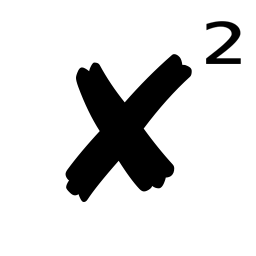
A superscript symbol is a Unicode character formatted as a raised version of a letter, number, or operator. Superscripts are commonly used to indicate exponentiation (such as X²), citation and footnote markers, and compact scientific or technical notation where space is limited. Availability varies by character; digits and a few operators are widely supported, while some letters may not have direct superscript equivalents.
Popular Superscript Symbols
These superscript characters are among the most frequently copied because they cover common exponent and notation needs in everyday writing, math, and documentation.
| Symbol | Name |
|---|---|
| ² | Superscript Two (often used for “squared”) |
| ³ | Superscript Three (often used for “cubed”) |
| ¹ | Superscript One (commonly used for references and footnotes) |
| ⁰ | Superscript Zero (used in powers and indices) |
| ⁺ | Superscript Plus (used in charges and compact math) |
| ⁻ | Superscript Minus (used in negative powers and notation) |
Superscript Symbol Categories
Superscript characters can be grouped by how they are typically used. These groupings help you choose the right superscript for exponents, references, and compact technical writing.
Superscript Digits
Raised digits are commonly used to write powers (exponents) and compact indices in plain text.
⁰ ¹ ² ³ ⁴ ⁵ ⁶ ⁷ ⁸ ⁹
Superscript Operators
Operator superscripts are often used in compact math expressions, charges, and sign notation.
⁺ ⁻ ⁼
Superscript Parentheses
Raised parentheses can be used to keep small superscript expressions visually grouped when space is limited.
⁽ ⁾
Exponent-Style Writing
These are common combinations people form by mixing base text with superscript digits to show powers.
X² X³ 10⁶
Footnote and Reference Markers
Superscript digits are frequently used as simple reference markers in text when a dedicated footnote format is not available.
Example¹ Example²
Science and Engineering Notation
Superscripts can be used to represent powers of ten and other compact notations in technical writing.
10⁻³ 10⁶
Superscript Emojis and Decorative Superscripts
Some users look for raised-style characters or superscript-like decorative symbols for display names or styling; results can vary by font and platform.
X² ¹²³ ⁺⁻
Superscript Symbol Usage Examples
Superscript symbols appear in many practical contexts, from simple math to technical notes. These examples show how superscripts are commonly placed inline with normal text.
Math / Exponent
Area can be written as m² in compact form
Science Notation
A small value may be written as 10⁻³
Footnote Marker
Please review the policy¹ before submitting
Chemistry / Charge Notation
An ion charge can be written with a superscript like Na⁺
Documentation / Version Tag
A short label may use superscripts for clarity, such as v2¹
Using Superscript Symbols on Social Media and Online Platforms
Superscript symbols are often used to add compact details to text, such as small reference markers, stylized numbers, or exponent-like formatting in profiles and posts. Because these are Unicode characters, you can usually copy and paste superscripts into bios, captions, comments, and messages; however, appearance can vary by font, device, and platform, and some apps may render certain superscripts differently.
- Instagram bios for compact numbers and stylized text
- Discord usernames, server names, and channel topics
- TikTok profiles where small raised numbers are used for styling
- X (Twitter) posts for compact notation like X² or 10⁶
- WhatsApp and Telegram messages for quick exponent-style text
- YouTube descriptions for technical notes and compact units like m²
- Gaming profiles where raised digits are used as decorative text
Professional and Practical Uses for Superscript Symbols
- Writing exponents in plain text (e.g., squared and cubed notation)
- Adding footnote-style reference markers in documents and notes
- Scientific and engineering notation such as powers of ten
- Technical documentation where compact inline formatting is preferred
- Typing superscripts in word-processing contexts when supported
How to Type Superscript Symbols on Any Device
- Choose a superscript character from the grid (for example ², ³, or ⁻) and add it to the editor.
- Copy the selected superscript symbols using the copy button or CTRL+C (Windows/Linux) or ⌘+C (Mac).
- Paste the symbols into your app using paste or CTRL+V (Windows/Linux) or ⌘+V (Mac).
Unicode Superscript Symbols and Meanings
Superscript symbols are defined by the Unicode standard, which provides a code point and official character name for each supported superscript digit or operator. This helps superscripts remain portable across systems, but exact rendering can vary depending on fonts and software, so they are typically used for lightweight formatting rather than strict typesetting.
Superscript Symbols List and Meanings
Use this reference table to review common superscript characters and how they are typically used in text. Select a symbol to copy it or to view its Unicode name for documentation and compatibility checks.